
Deliver Food UK: Side Income Guide
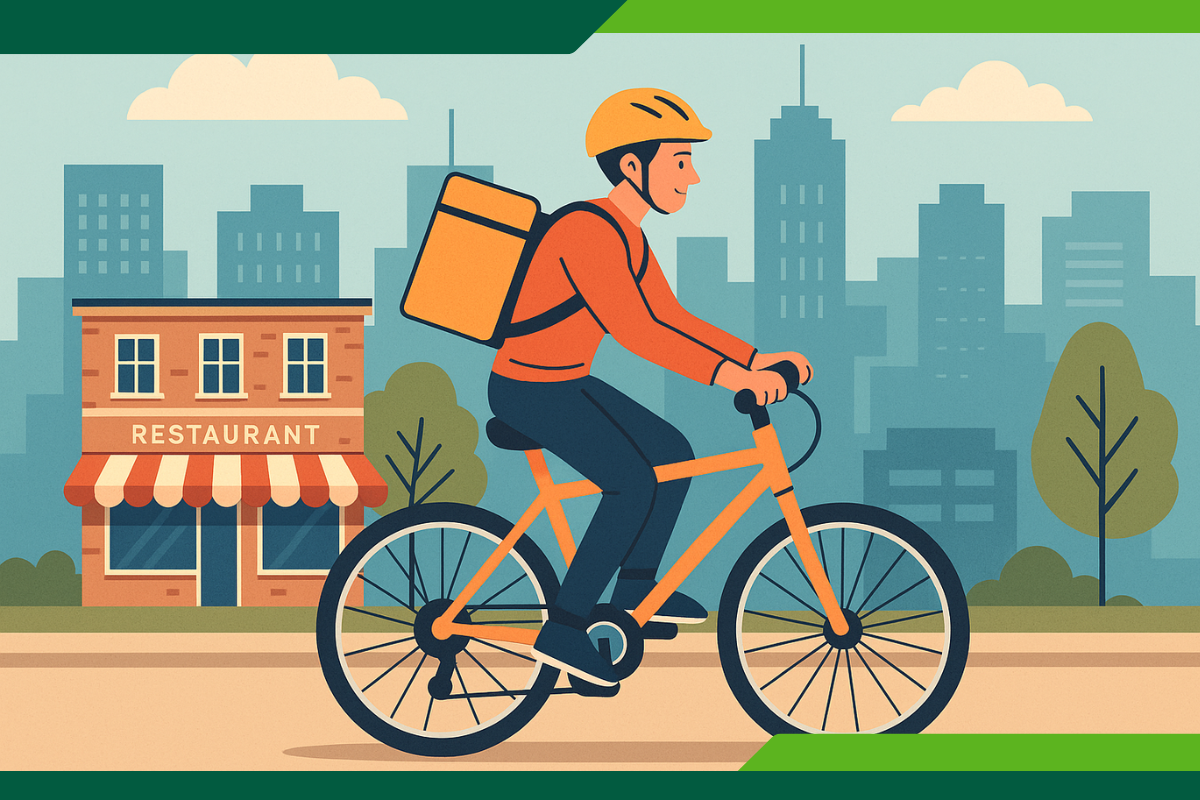
Finding reliable ways to earn extra income has become a priority for many households in the UK, and one of the most popular solutions is to deliver food through online platforms.
With the pressure of rising living costs, unstable working hours, and fewer opportunities in traditional part-time jobs, delivery work offers a flexible and accessible alternative for people who need an immediate source of earnings.
The success of services such as Uber Eats, Deliveroo, and Just Eat has changed the way food is consumed and created a strong demand for couriers across the country.
Using a bicycle, scooter, or car, individuals can start quickly and secure a steady flow of orders within a short time.
This makes food delivery especially appealing to lower and middle-income workers searching for extra cash without the need for upfront investment.
However, this side hustle also comes with challenges that must be considered. Understanding how platforms operate, the requirements to register, the earning potential, and the costs involved is essential to building a sustainable plan.
This guide will show step by step how food delivery works in the UK, how much can realistically be earned, and the best strategies to increase income while staying safe and compliant with tax regulations.
How Food Delivery Works in the UK
The food delivery sector in the UK is dominated by three large platforms:
- Uber Eats – Widely available, offering weekly or instant payments and flexible schedules.
- Deliveroo – Popular in urban areas, with opportunities for riders on bicycles, scooters, or cars.
- Just Eat – Known for partnering with both restaurants and independent couriers, offering regular demand in smaller towns.
These platforms act as intermediaries between restaurants and customers. Drivers receive requests via mobile apps, pick up food from restaurants, and deliver it to homes or workplaces.
The systems operate with GPS tracking, digital payments, and customer rating systems that affect driver performance and incentives.
Registration and Basic Requirements
To join, applicants usually need:
- Proof of identity and right to work in the UK.
- A vehicle (bike, scooter, or car) that meets safety standards.
- Insurance appropriate to delivery activities, especially for motor vehicles.
- A smartphone capable of running the delivery app.
The registration process typically involves background checks, uploading documents, and in some cases, attending a brief onboarding session.
Earnings and Costs
Average Income per Hour
The earnings of delivery drivers in the UK vary by city, platform, and time of day. On average:
- £8 to £12 per hour for part-time riders in less busy areas.
- £12 to £18 per hour during peak hours in large cities like London, Manchester, or Birmingham.
Drivers can earn more if they combine multiple platforms and focus on evenings and weekends, when demand is highest.
Main Expenses (fuel, insurance, maintenance)
Despite the attractive earning potential, there are expenses that reduce net income. Riders must account for:
- Fuel costs (for scooters and cars).
- Vehicle maintenance (tyres, brakes, oil).
- Insurance premiums for hire-and-reward coverage.
- Equipment such as insulated bags and protective gear.
Tax Obligations for Drivers
Food delivery couriers are usually considered self-employed in the UK. This means they must:
- Register with HMRC as self-employed.
- File an annual Self Assessment tax return.
- Pay Income Tax and National Insurance contributions on profits after expenses.
Failing to meet tax obligations can result in fines and penalties, so it is essential to keep receipts and records of all expenses.
Pros and Cons of Delivering Food
Before deciding to enter food delivery as a side hustle, it is important to weigh the positive aspects against the challenges.
The experience can be very rewarding for some, offering flexibility and quick access to income, but it can also bring difficulties linked to physical effort, competition, and weather conditions.
Understanding both sides helps create a realistic expectation and allows individuals to plan better.
Advantages (flexibility, quick start, extra money)
Food delivery is appealing because it offers:
- Flexibility: Work when you want, choosing hours and days.
- Accessibility: No need for advanced skills or degrees.
- Quick start: Onboarding is faster than most part-time jobs.
- Extra money: Helps cover bills, groceries, or savings.
This makes delivery a practical side hustle for students, workers needing additional income, or individuals between jobs.
Challenges (weather, competition, physical effort)
At the same time, there are difficulties that must be considered:
- Harsh weather conditions in winter affect comfort and safety.
- Intense competition among drivers in large cities reduces order volume.
- Physical strain from long hours cycling or carrying heavy loads.
- Customer ratings that may affect bonuses and access to shifts.
Acknowledging these challenges allows drivers to prepare better and avoid frustration.
Tips to Maximise Your Side Income
Delivering food can generate decent earnings, but without a strategy many drivers end up wasting time and covering unnecessary costs.
To get the most out of this side hustle, it is important to understand the habits of customers, optimise working hours, and apply small adjustments that increase both the number of orders and the chances of receiving tips.
Best Times to Work
The most profitable hours are typically:
- Lunch (11:30 am – 2:00 pm).
- Evening (6:00 pm – 9:00 pm).
- Weekends with sporting events or holidays.
Scheduling around these times ensures a higher order flow.
Combining Apps and Routes
Working with more than one platform increases the chances of receiving continuous orders. For example, combining Uber Eats and Deliveroo allows drivers to accept requests from whichever app offers the most efficient route.
Efficient route planning is also critical. Using apps that optimise multiple deliveries or knowing shortcuts in the city can save time and fuel.
Customer Service and Tips
Drivers who maintain professionalism, deliver on time, and communicate politely often receive better tips. A simple greeting or careful handling of food can significantly increase earnings.
Conclusion
Food delivery has proven to be a realistic and flexible side income option for many people in the UK.
With platforms like Uber Eats, Deliveroo, and Just Eat offering constant opportunities, it is possible to start quickly and generate earnings adapted to personal schedules.
Although challenges such as weather conditions, physical strain, and expenses exist, careful planning, good time management, and attention to customer service can make this side hustle worthwhile.
For individuals from lower and middle-income households, food delivery provides a path to financial relief and greater flexibility in managing everyday costs.
About the author

I hold degrees in Law and Marketing, and I work with strategic content creation, branding, and social media. I'm passionate about finance and communication, and I enjoy turning complex topics into clear, useful, and accessible information. I'm communicative and organised, with a strong interest in fashion and great shopping. In my free time, I love being in nature, cooking, travelling, and diving into content that inspires me to keep learning.


