
How to Apply for Free School Meals in the UK
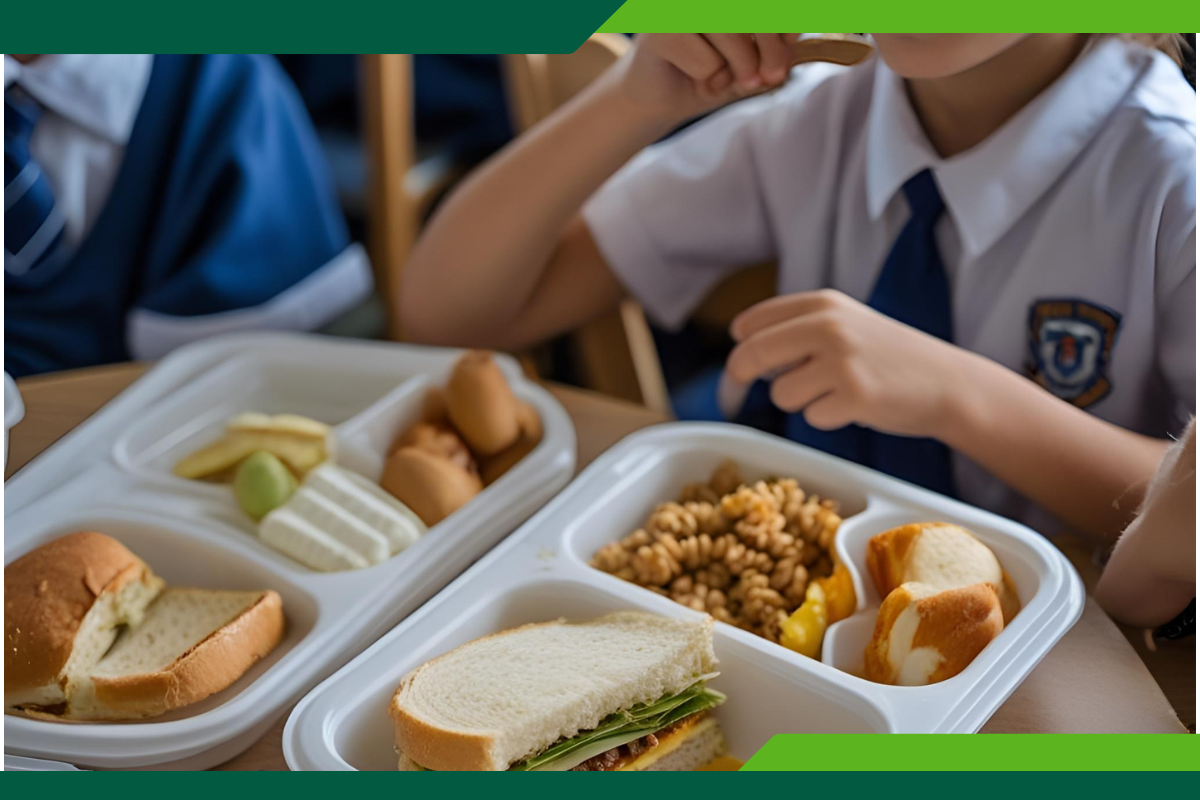
Access to nutritious meals can make a significant difference in a child’s education, health, and development.
For many families facing financial challenges, Free School Meals (FSM) are an essential form of support available across England.
Knowing how to apply for free school meals in the UK ensures that eligible pupils do not miss out on daily hot meals during the school day.
The application process is straightforward and designed to be as accessible as possible, with many local authorities offering online systems and automatic checks.
This guide explains who qualifies, how eligibility is assessed, what documents might be needed, and how to maintain or update an existing claim.
Whether your child is starting school or your household circumstances have changed, understanding your options is the first step toward accessing this important benefit.
Understanding Free School Meals in the UK
Free School Meals (FSM) are a key element of the UK’s education and welfare systems, ensuring that eligible pupils receive a free, nutritious meal during school hours.
This support is vital in promoting equality and improving educational outcomes for children from low-income households.
In England, all pupils in Reception, Year 1 and Year 2 are entitled to Universal Infant Free School Meals (UIFSM), regardless of income.
Beyond these years, FSM eligibility is means-tested and linked to families receiving certain income-related benefits.
The responsibility for checking eligibility and administering FSM lies with local authorities or, in some cases, directly with schools.
The application process is straightforward, often conducted online, and families are encouraged to apply even if their child receives UIFSM, as this can help schools access additional funding through the Pupil Premium.
FSM play a broader role beyond nutrition: they help reduce inequalities, support pupil concentration, and contribute to school attendance and wellbeing.
The policy is part of the government’s broader aim to support vulnerable children and promote social mobility through education.
Who Is Eligible for Free School Meals?
Eligibility for Free School Meals (FSM) in England depends on the child’s age and the family’s financial situation.
The scheme is divided entre duas principais categorias: Universal Infant Free School Meals (UIFSM) e means-tested Free School Meals.
Every child in Reception, Year 1, or Year 2 in a state-funded school in England is entitled to free meals automatically. This entitlement is not based on income or any other criteria.
No formal application is required, although schools may still encourage families to register to enable access to additional funding (Pupil Premium).
Pupils in Year 3 and above, or in any year group if they attend a maintained nursery school and meet certain requirements, may qualify for FSM if their parent or carer receives one or more of the following benefits:
- Income Support (IS)
- Income-based Jobseeker’s Allowance (IBJSA)
- Income-related Employment and Support Allowance (IRESA)
- Support under Part VI of the Immigration and Asylum Act 1999
- The guaranteed element of State Pension Credit
- Child Tax Credit (as long as the family is not entitled to Working Tax Credit and has an annual gross income of no more than £16,190)
- Working Tax Credit run-on (the four-week period after eligibility ends)
- Universal Credit — if the household has a net annual earned income below £7,400 (after tax and excluding benefits)
These criteria ensure that support is targeted at low-income families.
Parents and carers can check their eligibility through the local authority’s website or directly via the school.
Most councils offer an online application portal that automatically verifies benefit status through data-matching with the Department for Work and Pensions (DWP).
Step-by-Step Application Process
Applying for Free School Meals (FSM) in England is a process managed either by local authorities (LAs) or directly by schools, depending on the type of institution and local arrangements.
The government guidance outlines the recommended application procedures, emphasising data security, efficiency, and support for eligible families.
Step-by-step application process:
-
Initial Enquiry
Parents or guardians interested in applying for FSM should first consult the local authority’s website or contact their child’s school to understand the specific application method in their area. -
Submission of Details
The family provides relevant personal and financial information, including names, dates of birth, and benefit status. The application may be completed online, on paper, or via telephone, depending on the LA’s system. -
Data Matching with DWP
Most local authorities use a system that enables automatic checking of eligibility via a secure data match with the Department for Work and Pensions (DWP). This reduces the need for physical documents and speeds up the process. -
Notification of Outcome
Once eligibility is confirmed, the school or local authority notifies the family. The child can begin receiving free meals as soon as arrangements are in place. This process is typically quick and confidential.
What Documents Will You Need?
Thanks to the Eligibility Checking System (ECS), most applicants are not required to submit documents manually, as eligibility is verified electronically.
However, in some cases—especially where automatic matching fails or for recent arrivals without a National Insurance number—families may be asked to provide:
- A valid National Insurance Number (NI) or National Asylum Support Service (NASS) number
- Evidence of receipt of qualifying benefits (e.g., award letters)
- Proof of immigration status, where relevant
Local authorities and schools are advised to be flexible and supportive, particularly in cases involving refugees, asylum seekers or recent migrants, where documentation may be incomplete.
The application process is designed to be as accessible and non-intrusive as possible, ensuring that eligible pupils are not denied access to meals due to bureaucratic obstacles.
How to Renew or Update Your Application
In most cases, families do not need to reapply for Free School Meals (FSM) every year, thanks to the implementation of transitional protections and data-matching systems used by local authorities (LAs) and schools.
However, there are specific circumstances where updates or reviews may be required:
- If a child moves to a new school and is not covered by transitional protection
- If the family moves to a different local authority area
- If there is a new child in the household who may also qualify for FSM
- If automatic eligibility checks fail, and supporting documents are needed
Local authorities are responsible for determining how often they reassess eligibility in cases not covered by transitional protection. In some cases, schools or LAs may contact families to request updates or revalidation of details.
Transitional Protection
Children who were eligible for means-tested FSM on or after 1 April 2018 remain eligible even if their household circumstances change—until the end of the Universal Credit rollout, which will not be before March 2025.
This policy was introduced to prevent families from losing access to meals during the transition to the new benefit system.
The transitional protection continues:
-
Throughout the child’s current phase of education (e.g. primary or secondary)
-
Even if the family no longer meets the eligibility criteria
-
If the child changes school (as long as there is no gap in eligibility longer than a term)
This means annual reapplications are not required for most pupils covered under this arrangement.
Conclusão
Free School Meals (FSM) offer vital support to families, helping ensure that children from low-income households receive a healthy meal during the school day.
The programme contributes not only to pupils’ nutrition, but also to their focus, attendance, and overall educational outcomes.
With a clear application process and transitional protections in place, most families can access FSM with minimal administrative burden.
Parents are encouraged to check eligibility and apply through their local authority or school, even if their child already receives meals under the universal infant entitlement.
Registering for FSM may also unlock additional support for schools through Pupil Premium funding.
By understanding how the system works and keeping details up to date, families can make sure their children benefit fully from this important programme.
About the author

I hold degrees in Law and Marketing, and I work with strategic content creation, branding, and social media. I'm passionate about finance and communication, and I enjoy turning complex topics into clear, useful, and accessible information. I'm communicative and organised, with a strong interest in fashion and great shopping. In my free time, I love being in nature, cooking, travelling, and diving into content that inspires me to keep learning.


