
Overdraft fees in the UK: how to avoid and save money
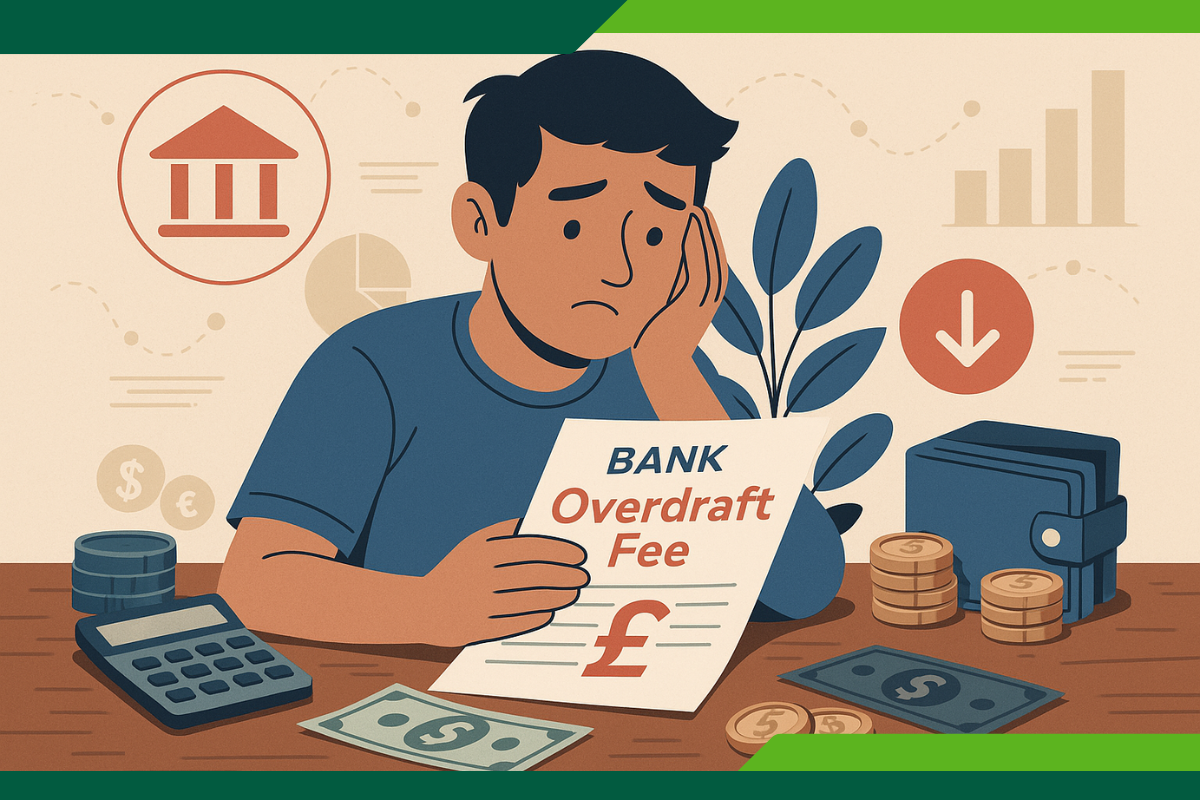
Overdraft fees are one of the most common and frustrating bank charges faced by people in the UK. For many households, particularly those living paycheque to paycheque, dipping into an overdraft is often unavoidable.
While an overdraft can act as a short-term safety net when cash runs out before payday, the reality is that these fees add up quickly and can make an already difficult situation worse.
In 2025, with the cost of living still rising and wages not keeping pace, overdrafts have become part of daily financial life for millions. But relying on them comes at a price.
Banks apply different types of charges depending on whether the overdraft is arranged in advance or unplanned, and even small amounts can lead to large bills over the course of a year.
This article explores in detail how overdraft fees work in the UK, the real financial impact on low and middle-income households, the common mistakes that lead to these charges, and — most importantly — the practical strategies you can use to avoid them.
We will also look at safer alternatives to overdrafts so you can protect your budget and start moving towards financial stability.
What are overdraft fees and how do they work in the UK?
An overdraft is essentially a short-term loan that lets you spend more money than you currently have in your account. In the UK, there are two main types:
- Arranged overdraft: agreed in advance with your bank, usually with a set limit such as £200 or £500. Interest rates apply, but they are clearer and usually lower than unarranged overdrafts.
- Unarranged overdraft: when you go over your balance or beyond your arranged overdraft without permission. These often come with higher interest rates and can trigger extra penalties.
Most banks charge overdraft fees in the form of interest calculated daily, expressed as an EAR (Equivalent Annual Rate).
For example, many major banks charge around 39.9% EAR, meaning borrowing even £100 for a couple of weeks can cost several pounds.
Some banks also charge daily fixed fees or penalties for going into unarranged overdrafts.
While UK regulators such as the Financial Conduct Authority (FCA) have pushed for simpler and fairer pricing, overdrafts remain one of the most expensive forms of borrowing for ordinary consumers.
The crucial point is that overdraft borrowing feels invisible.
Because money is deducted automatically from your account, many people don’t notice the debt building up until they see the monthly bank statement. By then, charges have already eaten into next month’s income.
The real cost of overdraft fees on your monthly budget
For households already struggling with bills, overdraft fees make managing money much harder. To understand their impact, it helps to look at real numbers.
Imagine this scenario:
- You dip into your overdraft by £100 for just 10 days.
- With an EAR of 39.9%, you could end up paying around £1.10 to £1.50 in charges for that short period.
- Repeat this every month, and the annual cost could exceed £150, even without borrowing large sums.
Now, consider a family that regularly goes £300 or £400 into overdraft for part of the month. The charges can climb to hundreds of pounds per year, enough to pay for food shopping, transport passes, or utility bills.
The hidden danger is that overdraft fees reduce disposable income. Instead of covering essentials, part of the household’s budget goes directly to the bank. This creates a cycle where families rely on overdrafts more often, leading to even higher charges.
Another issue is timing. Many people fall into overdrafts because of direct debits or standing orders leaving the account before payday.
Even if the account goes overdrawn for just a day or two, the bank can still apply charges. This unpredictability makes it difficult to plan ahead and adds stress to financial management.
Common mistakes that lead to overdraft charges
While some overdraft use is unavoidable, many fees occur because of avoidable mistakes or lack of information. The most common errors include:
- Not checking balances regularly: Many people rely on memory rather than verifying account balances before making payments.
- Forgetting about automatic payments: Subscriptions, direct debits, and standing orders can push accounts into negative balance without warning.
- Relying on overdrafts as part of normal budgeting: Treating overdraft money as “extra cash” rather than a debt creates long-term dependency.
- Ignoring bank alerts: Banks often send texts or app notifications about low balances, but these are easy to overlook.
- Lack of emergency savings: Even a small emergency fund of £50–£100 could prevent dipping into overdrafts, but many households cannot set this aside.
There is also a psychological factor. Because overdrafts are easy to access and don’t require new applications, people underestimate their cost. Unlike credit cards, where bills are more visible, overdraft charges feel like “background noise” until they accumulate.
How to avoid overdraft fees: practical strategies
The good news is that there are several ways to reduce or even eliminate overdraft charges. These strategies are simple, low-cost, and suitable for anyone on a limited budget.
-
Activate balance alerts
Most UK banks allow you to set up text messages or app notifications when your balance falls below a certain amount. This early warning gives you time to transfer money or delay a payment. -
Use budgeting apps
Free tools like Monzo, Money Dashboard, or Yolt help track spending in real time. They categorise expenses and can show where small amounts are adding up, reducing the risk of overdraft use. -
Keep a minimum buffer
Even maintaining a £20 or £30 buffer in your account can prevent small payments from triggering overdraft fees. Treat this as “untouchable” money. -
Speak to your bank
If you often rely on overdrafts, contact your bank. Some banks can reduce interest rates, increase arranged overdraft limits, or suggest switching to accounts with cheaper terms. -
Review direct debits
Go through subscriptions and regular payments. Cancelling unused services can save enough to avoid dipping into overdrafts. -
Plan payment dates
Where possible, move direct debits to just after payday. This reduces the risk of overdrafts caused by timing mismatches.
By combining these methods, you can reduce dependency on overdrafts and stop banks from taking money that could be used for essentials.
Alternatives to overdrafts: safer and cheaper options
If you find yourself relying on overdrafts every month, exploring alternatives is crucial. These options may not be perfect, but they are often cheaper and safer.
-
Prepaid debit cards
These cards only let you spend what you load. There is no risk of overdraft, making them ideal for people who want strict control over spending. -
Credit cards with low limits
Some credit cards offer interest-free periods if the balance is repaid each month. Used carefully, they can provide short-term flexibility without daily overdraft fees. -
Small personal loans
For those who borrow the same amount regularly, a small personal loan with fixed repayments may be cheaper than frequent overdraft use. -
Government and charity support
Many councils and organisations such as StepChange or Citizens Advice offer free financial guidance. They can suggest tailored alternatives for those struggling with overdrafts. -
Budgeting support programmes
Community projects and local credit unions sometimes provide low-cost borrowing and financial education, helping people move away from expensive overdraft dependency.
Exploring alternatives not only saves money but also helps build healthier financial habits.
Conclusion
Overdraft fees may seem small when they first appear, but over time they take a serious toll on household budgets, especially for lower and middle-income families in the UK.
Understanding how overdrafts work, recognising the mistakes that lead to charges, and taking proactive steps to avoid them can make a real difference.
By using alerts, apps, buffers, and better planning, it is possible to keep overdraft use to a minimum.
For those who rely on overdrafts regularly, exploring alternatives such as prepaid cards, low-limit credit cards, or support from local organisations can provide safer and more affordable solutions.
The key is to treat overdrafts not as extra income but as expensive debt. Avoiding fees today means more money tomorrow — money that can go towards food, bills, savings, or simply reducing stress in daily life.
Small steps can lead to big savings, and with awareness and planning, you can break free from the cycle of overdraft fees.
About the author

I hold degrees in Law and Marketing, and I work with strategic content creation, branding, and social media. I'm passionate about finance and communication, and I enjoy turning complex topics into clear, useful, and accessible information. I'm communicative and organised, with a strong interest in fashion and great shopping. In my free time, I love being in nature, cooking, travelling, and diving into content that inspires me to keep learning.


