
UK Debt Relief Programmes Explained
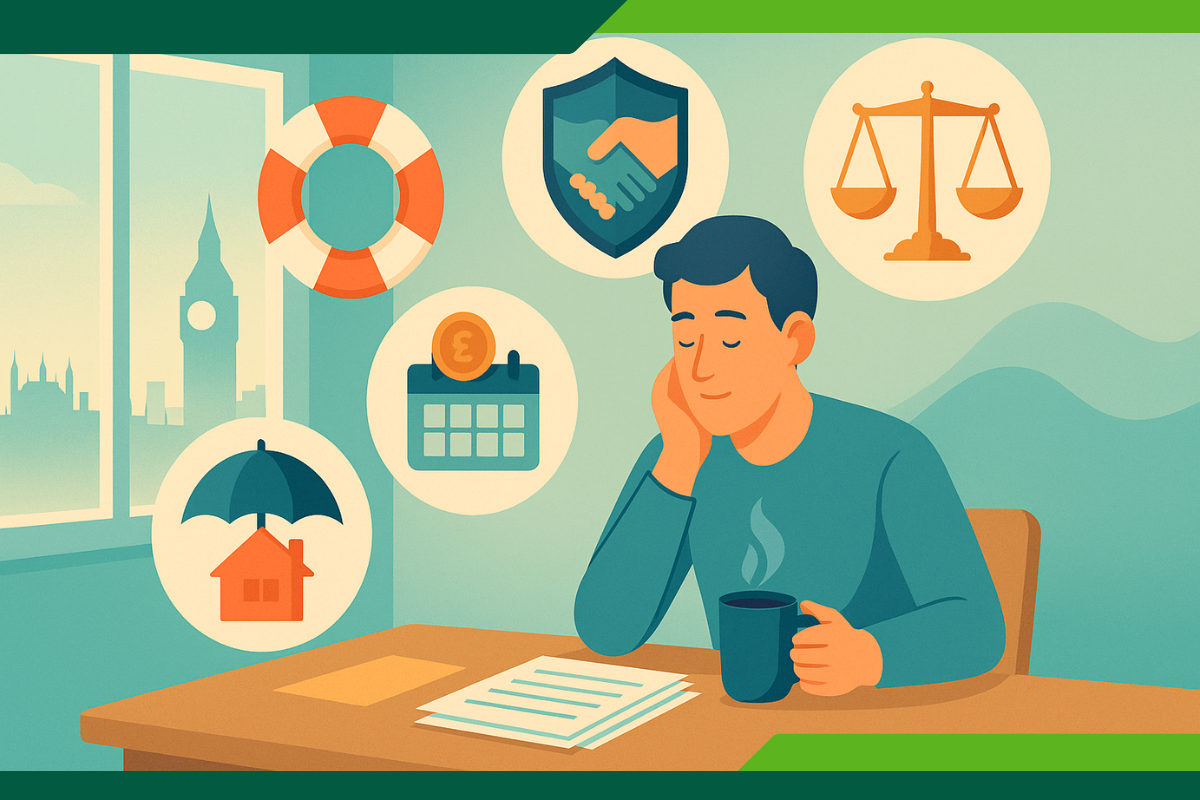
Feeling overwhelmed by debt can be an incredibly stressful and isolating experience, as the pressure of mounting bills and persistent calls from creditors begins to affect every aspect of your life.
It’s a situation that many people across the UK face, but it is crucial to understand that there is a clear way forward. A range of structured Debt Relief Programmes exist to help you regain control, manage repayments affordably, and, in many cases, write off a significant portion of what you owe.
Understanding these solutions is the first, most powerful step you can take towards lifting that weight and starting on the path to financial recovery.
This guide is designed to demystify the options available to you, providing a clear and comprehensive explanation of the main routes out of debt in the UK.
We will walk you through the key differences between flexible, informal arrangements like Debt Management Plans (DMPs) and legally binding solutions such as Individual Voluntary Arrangements (IVAs), Bankruptcy, and Debt Relief Orders (DROs).
By explaining how each programme works, who it is suitable for, and its potential impact, this article will empower you to make an informed decision and find the right path for your unique circumstances.
Understanding Your Options: An Overview of UK Debt Relief Programmes
When exploring debt help, you will find solutions fall into two main categories: informal and formal.
Informal agreements are flexible arrangements made directly with creditors, whereas formal solutions are legally binding processes governed by UK law that offer you legal protection.
It’s also important to know about the government’s Breathing Space scheme, which can provide up to 60 days of protection from creditors, freezing most interest and enforcement action.
This gives you time to seek professional advice and decide on the best long-term option, whether it’s a flexible informal plan or a more secure, formal solution like an IVA or Bankruptcy, which offers greater protection but has a larger impact on your credit file.
Navigating Informal Agreements: Are Debt Management Plans (DMPs) Right for You?
A Debt Management Plan (DMP) is perhaps the most common informal debt relief programme in the UK. It is an agreement between you and your creditors to pay back your non-priority debts over time.
You make one single monthly payment to a DMP provider, who then distributes this money to your creditors on your behalf. These plans are typically managed by debt management companies or, preferably, free debt charities.
A DMP is not legally binding, which is both a strength and a weakness. It offers flexibility—if your circumstances change, your payments can often be adjusted.
However, because it’s informal, creditors are not legally obliged to agree to the DMP.
They can still contact you, and they retain the right to add interest and charges to your debt, although many will agree to freeze them as a gesture of goodwill while you are making regular payments.
These plans are best suited for individuals who have some disposable income each month and believe they can clear their debts in a reasonable timeframe.
They only cover non-priority debts, such as credit cards, personal loans, and store cards. Priority debts, like mortgages, rent, council tax, and court fines, are not included and must continue to be paid separately.
So, is a DMP the right choice for you? Consider these points:
- Your Level of Debt: DMPs are ideal for those who can afford to repay their debt in full over an extended period. If your debt is so large that you couldn’t realistically repay it, a formal solution might be more appropriate.
- Flexibility: It’s one of the most flexible debt relief programmes. If you get a pay rise, you can pay more and clear the debt faster. If you face a temporary setback, payments can sometimes be reduced.
- Creditor Agreement: While most creditors will accept a well-structured DMP from a reputable provider, they don’t have to. There’s a risk that one or more creditors could refuse the terms.
- Impact on Credit: A DMP will negatively affect your credit rating. Your accounts will show reduced payments, and a default notice may be registered. This will remain on your file for six years from the date of default, making it difficult to obtain credit during this time.
- Provider Choice: It is absolutely vital to choose your provider carefully. Free debt charities like StepChange offer DMPs without charging any fees, meaning 100% of your payment goes towards clearing your debt. Commercial providers, on the other hand, will charge a monthly fee, which can extend the time it takes to become debt-free.
Formal Solutions for Serious Debt: A Deep Dive into IVAs and Bankruptcy
When your level of debt is too high to be repaid in a reasonable timeframe, a formal, legally binding solution is often the most effective route.
The two most common options in England, Wales, and Northern Ireland are an Individual Voluntary Arrangement (IVA) and Bankruptcy. Both are serious steps that require professional advice.
An Individual Voluntary Arrangement (IVA) is a formal agreement with your creditors to repay a portion of your debt through affordable monthly payments over a set period, usually five or six years.
An Insolvency Practitioner manages the process, and at the end of the term, any remaining unsecured debt is legally written off. An IVA offers legal protection from creditors and can protect key assets, but requires creditor approval to proceed.
Bankruptcy is a legal process for those who cannot pay their debts. An Official Receiver manages your assets, which may be sold to repay creditors.
While it has significant consequences, especially for homeowners, the process offers a faster route to becoming debt-free, as you are typically ‘discharged’ after one year, with most remaining unsecured debts written off.
Debt Relief for Those with Low Income and Few Assets: The Role of Debt Relief Orders (DROs)
Not everyone’s situation fits the mould of an IVA or Bankruptcy. What if you have a relatively low level of debt but simply no realistic way of paying it back due to a low income and having very few assets?
For this specific scenario, the Debt Relief Order (DRO) was created. Often referred to as a form of ‘mini-bankruptcy’, a DRO is a lower-cost alternative for people with specific financial circumstances.
A DRO freezes your debt repayments and interest for 12 months. During this period, creditors cannot take action against you.
If your financial situation has not improved by the end of the 12 months, all the debts included in the DRO are written off.
It is a powerful tool, but the eligibility criteria are very strict and designed to ensure it helps the people it was intended for.
To qualify for a Debt Relief Order, you must meet all of the following conditions:
- You must owe £30,000 or less in total qualifying debts.
- You must not own your own home.
- Your assets must not be worth more than £2,000 in total (some essential items, like a basic vehicle worth up to £2,000, are not counted).
- After paying for your essential household expenses, your spare income must be £75 or less per month.
- You must have lived or worked in England or Wales within the last three years.
- You cannot have had a DRO in the last six years.
You cannot apply for a DRO directly. You must go through an authorised debt adviser, often found at free debt charities, who will assess your eligibility and help you complete the application.
There is a non-refundable fee of £90 to apply. A DRO is a serious step and will impact your credit rating for six years, but for those trapped in debt with no clear way out, it offers a definitive fresh start.
Seeking Help and Moving Forward: Where to Find Free Debt Advice and Rebuilding Your Finances
Making the decision to tackle your debts is the hardest part, but you do not have to do it alone.
The single most important piece of advice in this entire article is this: seek free, impartial, and expert debt advice before you do anything else.
The world of debt relief programmes is complex, and the consequences of choosing the wrong path can be severe and long-lasting.
Professional debt advisers will review your entire financial situation, explain all the available options clearly, and recommend the best course of action for you, without judgement.
Never pay for debt advice. There are several incredible, government-backed charities in the UK that provide these services completely free of charge.
They are the experts, and their only goal is to help you. Some of the leading organisations include:
- StepChange Debt Charity: The UK’s largest debt charity, offering a wide range of solutions and online debt advice tools.
- National Debtline: A helpline providing free, confidential, and independent advice on personal debt.
- Citizens Advice: Offers free, confidential advice online, over the phone, and in person on a wide range of issues, including debt.
- PayPlan: Another provider of free debt advice and solutions like DMPs and IVAs.
Once you have completed a debt relief programme, your journey to financial health is not over; it’s just beginning. Your credit score will be low, but you can take proactive steps to rebuild it.
Start by ensuring you are on the electoral roll. Use a credit-builder credit card for small purchases and pay it off in full every month to demonstrate responsible borrowing.
Most importantly, create a realistic budget and stick to it, building a small emergency fund to protect you from unexpected costs in the future.
It takes time, but with discipline and good habits, you can and will rebuild a strong financial foundation.
Conclusion
Facing up to debt takes immense courage. While the journey may seem challenging, understanding the various UK debt relief programmes is a critical first step towards reclaiming your financial independence.
Whether a flexible DMP, a formal IVA, or a life-changing DRO is the right path for you, remember that these are tools designed to help, not punish.
They offer a structured way out of debt and a chance for a fresh start. The most important action you can take today is to reach out to one of the free, expert debt advice charities mentioned.
They will provide the support, guidance, and expertise you need to navigate this process and build a brighter, debt-free future.
About the author

I hold degrees in Law and Marketing, and I work with strategic content creation, branding, and social media. I'm passionate about finance and communication, and I enjoy turning complex topics into clear, useful, and accessible information. I'm communicative and organised, with a strong interest in fashion and great shopping. In my free time, I love being in nature, cooking, travelling, and diving into content that inspires me to keep learning.


